Prime Highlights
- Stronger AI policies urged for higher education.
- Gender inclusion highlighted in AI transformation.
Key Facts
- UNESCO and partners hosted regional dialogue.
- Report released on digital education trends.
Background
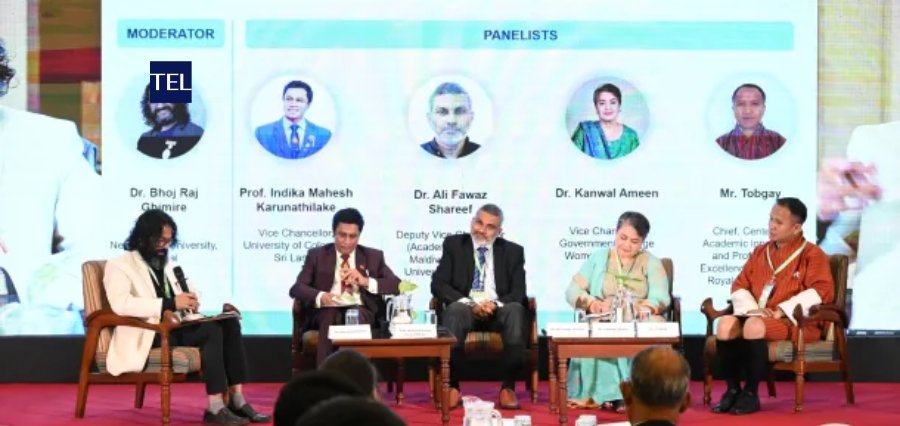
The policymakers and educational leaders in the field have called for improved policy guidance, teacher professional development, and increased collaboration in ensuring AI is applied effectively in higher education institutions in South Asia. This came up at a regional policy dialogue that took place in Kathmandu in May, whereby experts addressed both the opportunities and challenges arising from the transformation using AI at universities and technical institutions.
While the use of AI in learning offered great promise in terms of making learning flexible and improving the quality of education, some key challenges facing the adoption include poor infrastructure, limited capacity of teachers in AI technology, inconsistency in policies, and inadequate collaborations between Industry and academia.
The integration of AI in the education sector entails more than technology. The panellists stressed that there is a need for policy guidance, institutional readiness, ethical management, and workforce development to ensure the benefits of the learners and to facilitate the achievement of national development objectives through AI.
One key theme of the discussion was tackling the gender divide in AI. Gender experts pointed out that gender equality is still not being addressed regarding the inclusion of girls and women in any AI-related education and careers. They highlighted the need to involve women in both academia and professional sectors more to make an inclusive AI ecosystem possible.
Another key theme of the day was the increasing emphasis on teacher professional development. Delegates were urging for investment in AI literacy, digital skills, and training programs so that teachers can navigate AI tools in a responsible way, ensuring quality in education and also inclusion.
A major achievement was the initiation of the IIOE Nepal National Centre at Tribhuvan University, which focuses on building capacity in the long-term to support the higher education institutions in the process of digital transformation.
The dialogue also coincided with the launch of a report on digital transformation in the higher education sector in South Asia, which offered insights to inform evidence-based policy making and future AI policies for the region.